Indoor soccer is a game of speed, control, and precision — every move happens in a split second. Whether you’re training with your team or playing in a local league, wearing the right shoes can completely transform how you perform. The right footwear enhances your agility, grip, and stability, while the wrong pair can lead to slips, discomfort, or even injuries.
While many players focus on jerseys and gear, your shoes are the true foundation of your performance. Choosing the right pair ensures you stay light on your feet, confident with your touch, and ready for every turn or tackle.
Understanding the Indoor Soccer Surface
Before choosing your shoes, it’s important to understand the environment you’ll be playing in. Indoor soccer is typically played on artificial turf, smooth rubberized surfaces, or hardwood courts, all of which differ significantly from outdoor grass.
These smaller, faster-paced fields demand quick reflexes and controlled movement. The consistent and firm surface means players need shoes that deliver maximum traction without digging into the ground, unlike outdoor cleats with metal or plastic studs.
The right shoes allow you to move smoothly, stop quickly, and change direction without losing your footing. This precise traction is what separates an average game from a strong performance.
Why Indoor Soccer Shoes Matter
Indoor soccer shoes aren’t just a scaled-down version of outdoor cleats — they’re engineered specifically for speed, grip, and balance on flat surfaces. Each design detail plays a role in improving your gameplay:
Traction: Non-marking rubber soles provide firm grip without scuffing the floor. You can pivot, sprint, and stop instantly with total control.
Flexibility: Thin, responsive soles offer excellent ball feel, helping you dribble and pass more accurately.
Lightweight Design: Reduced bulk helps you stay fast and agile throughout the match.
Support: Built-in arch and ankle support reduce strain during quick directional changes.
Breathability: Mesh and synthetic materials keep your feet cool even in intense indoor matches.
The balance between traction, comfort, and flexibility is what makes indoor soccer shoes stand out.
Types of Indoor Soccer Shoes
There’s no one-size-fits-all solution when it comes to indoor soccer footwear. The type of shoe you choose depends on both your playing surface and your personal style of play.
1. Flat-Soled Indoor Shoes
These are the most common and versatile option for smooth indoor courts. Their flat, rubber outsole provides reliable traction and excellent ball control, ideal for futsal or wooden floors.
2. Turf Shoes
If you play on artificial grass or turf, go for shoes with small rubber nubs on the outsole. These mini-studs enhance grip while allowing natural movement on textured surfaces.
3. Futsal Shoes
Specially designed for futsal, these shoes are built for close control and rapid movement. They feature a non-marking, low-profile sole and sleek upper for maximum ball feel on polished courts.
Each shoe type is tailored to a different surface. Knowing where you’ll be playing most often helps you make the right investment.
How to Choose the Right Fit
Even the best indoor soccer shoes won’t help if they don’t fit correctly. A proper fit means comfort, precision, and confidence with every touch.
Snug but not tight: Your shoes should hug your foot without causing pressure points.
Toe room: Leave a little space (about a thumb’s width) at the front for comfort and flexibility.
Try with your soccer socks: This ensures an accurate fit and prevents sizing surprises.
Test movement: Walk, pivot, and jog lightly when trying them on — they should feel stable and natural.
Break them in gradually: Wear them for short sessions before a full game to let the material adjust to your feet.
Remember: the right fit enhances control, while the wrong one can disrupt your balance and cause blisters.
Material and Build Quality
When it comes to indoor soccer shoes, the material you choose affects both comfort and durability.
Synthetic Leather: Lightweight, smooth, and water-resistant, ideal for enhanced control and easy cleaning.
Mesh Panels: Provide breathability and flexibility for long play sessions.
Suede or Nubuck: Offer premium comfort and grip but require extra care to maintain.
Look for reinforced stitching and durable midsoles that can handle the quick bursts and frequent stops of indoor play. A solid build means your shoes will maintain their structure and traction over time.
Maintenance Tips for Longer Life
Your indoor soccer shoes will perform better and last longer with the right care routine.
- Wipe them clean after every game to remove dust and debris.
- Let them air dry naturally — never use direct heat or dryers.
- Store them in a breathable bag in a cool, dry place.
- Replace insoles if they lose cushioning or support.
Taking a few minutes after each match to care for your shoes can extend their life and keep them performing like new.
Common Mistakes to Avoid
Even experienced players sometimes overlook key factors when choosing or maintaining their shoes. Avoid these common pitfalls:
-
Wearing outdoor cleats indoors, which can damage floors and reduce grip.
- Choosing based solely on appearance rather than performance.
- Ignoring surface compatibility — a turf shoe won’t perform as well on a slick wooden court.
- Forgetting to replace shoes once the outsole wears down.
Play Indoor Soccer with Confidence and Style
Indoor soccer demands speed, precision, and the right gear to match your energy. Choosing the best indoor soccer shoes gives you the traction, comfort, and agility to move effortlessly across the court and focus on every pass and goal. The right footwear isn’t just about performance — it’s about confidence in every play.
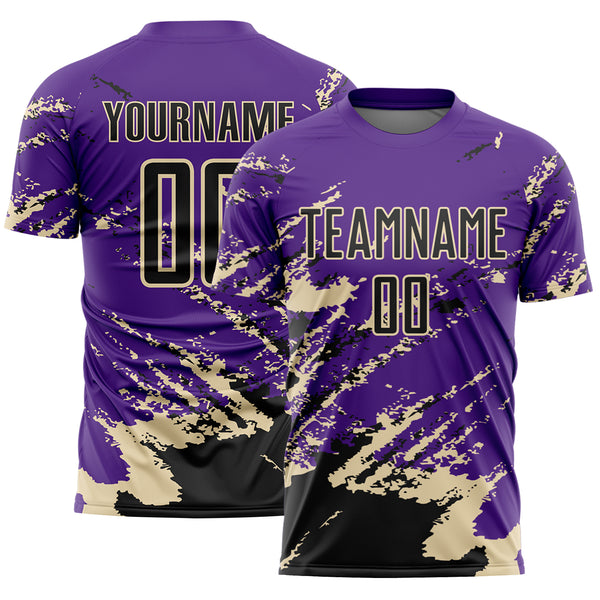
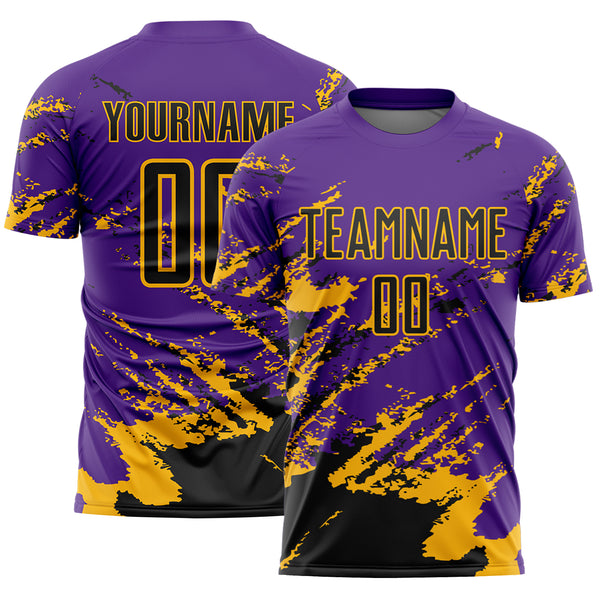
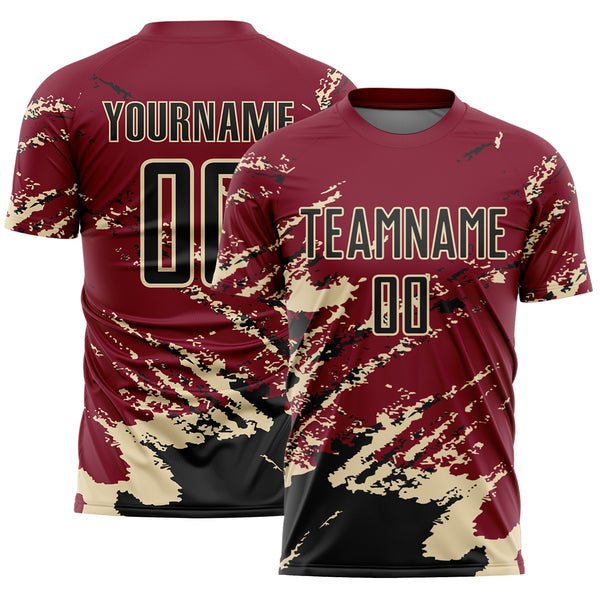
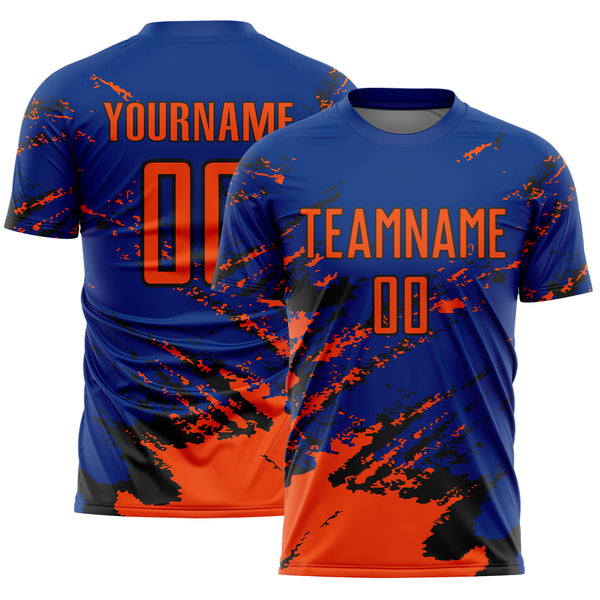
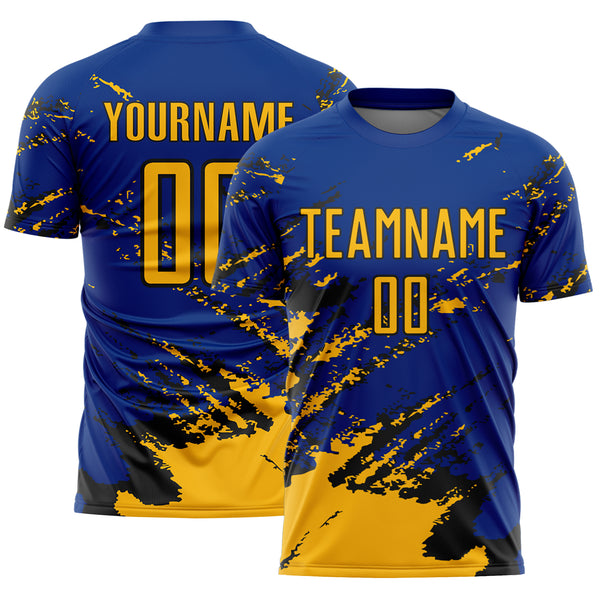
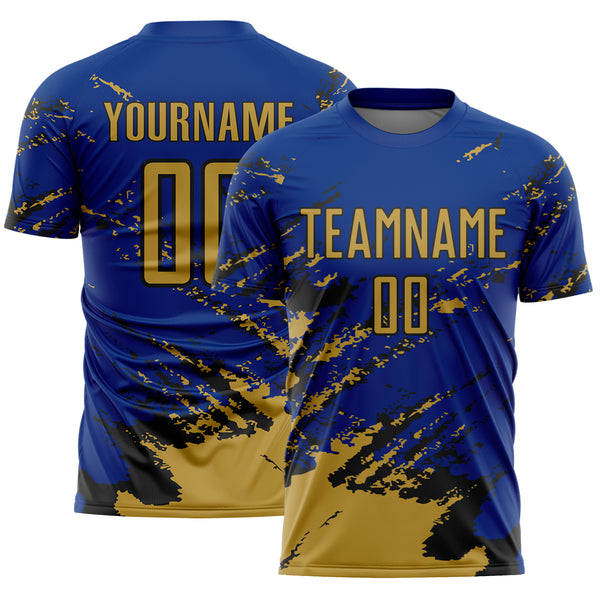
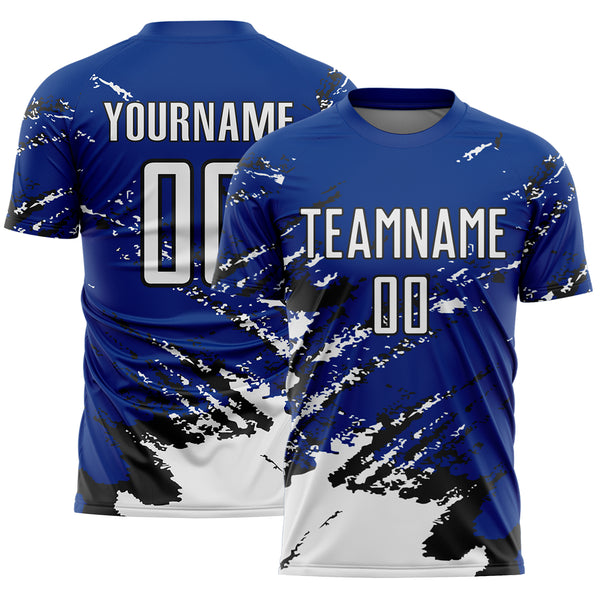
At Fansidea, we bring that same passion for the game into our custom soccer uniforms. Whether you’re outfitting a local club, school team, or league, our free design service and bulk order program make it easy to create a look that stands out on the field. Built for comfort, style, and team pride, every piece is made to help players perform their best from warm-up to the final whistle.





 Call
Call