A soccer ball may look simple — a glossy sphere you dribble, blast, or curve into the top corner — but beneath the surface lies a carefully engineered structure. Every layer, material choice, and manufacturing method plays a role in how a ball flies, feels, bounces, and lasts.
Today’s soccer balls are the product of decades of innovation, blending synthetic materials, advanced bonding techniques, and sustainable practices to deliver consistent performance at every level — from professional matches to backyard training.
This guide breaks down every material and each step of the manufacturing process, giving you a deeper understanding of what really goes into the world’s most popular sport.
1. Anatomy of a Modern Soccer Ball
Whether you're shopping for a match-quality ball or a durable training option, every soccer ball consists of four major components:
1. Outer Cover
The visible layer that shapes touch, grip, durability, and water resistance. Modern materials include:
PU (polyurethane): soft, premium, used in pro-level balls.
PVC (polyvinyl chloride): durable, affordable, common in training balls.
TPU (thermoplastic polyurethane): flexible, wear-resistant, great for outdoor surfaces.
Synthetic leather: upgraded feel without the downsides of real leather.
2. Inner Lining
Multiple layers of polyester or cotton laminated beneath the cover.
These plies:
reinforce shape.
add responsiveness.
affect firmness and flight behavior.
High-end balls use 3–4 layers for enhanced stability.
3. Bladder
The air-holding interior, usually made from:
Latex: soft touch, lively bounce (used in match balls).
Butyl: excellent air retention, ideal for training.
4. Panels & Valve
Geometric shapes (32-panel traditional, 12-panel modern, or seamless designs)
Stitched, bonded, or molded together.
A reinforced valve for inflation.
Each of these elements directly affects how well a ball performs on grass, turf, or asphalt — and contributes to its overall environmental impact.
2. Types of Soccer Balls and How Material Choices Differ
Match Balls
- PU cover for soft feel.
- Latex bladder for responsiveness.
- Thermally bonded seams.
- Designed for precision, accuracy, and FIFA-approved performance.
Training Balls
- Durable PVC or TPU covers.
- Butyl bladder for less frequent inflation.
- Reinforced stitching.
- Built for longevity and repeated use.
Futsal & Street Balls
- Heavier internal foam layer to reduce bounce.
- Tough, abrasion-resistant outer cover.
- Ideal for asphalt, gym floors, or indoor courts.
The type of ball dictates its construction — and the materials chosen determine everything from control to lifespan.
3. The Materials Used in Soccer Ball Manufacturing
Outer Cover: PU, PVC, TPU & Synthetic Leather.
PU: premium softness, excellent control.
PVC: strong and affordable.
TPU: flexible, scratch-resistant, weather-friendly.
Synthetic Leather: combines comfort with durability; real leather is no longer used because it absorbs water.
Inner Lining Layers
Most balls feature 2–4 layers of:
Polyester: stability and strength.
Cotton: softness and cushioning.
(More layers = firmer, more predictable performance.)
Bladders: Latex vs. Butyl.
Latex: superior feel, but loses air faster.
Butyl: exceptional air retention, but slightly firmer feel.
Adhesives & Coatings
Heat-activated adhesives for bonding.
Gloss and protective coatings for grip and weather resistance.
4. How Soccer Balls Are Made: Step-by-Step Production Process
Step 1: Designing the Ball
Manufacturers begin by determining:
- panel shapes
- colors and graphics
- seam style (stitched, bonded, laser-fused)
- intended use (match, training, futsal, street)
Digital printing defines the unique look of the ball.
Step 2: Cutting the Panels
Large sheets of PU, PVC, or TPU are precision-cut into geometric shapes.
Modern machinery ensures:
- consistent dimensions
- clean edges
- perfect alignment during assembly
Step 3: Forming the Lining
Layers of polyester and cotton are laminated beneath the cover to create strength and structure.
This step determines:
- firmness
- responsiveness
- long-term shape retention
Step 4: Stitching or Bonding the Panels
Hand-Stitched
- Still used for many high-quality balls
- Involves skilled craft workers
- Produces durable, flexible seams
Machine-Stitched
- Faster, consistent
- Common for training balls
Thermally Bonded
- Panels fused using heat and pressure
- Seamless surface
- Lower water absorption
- Preferred in professional match balls
Step 5: Inserting the Bladder
The bladder (latex or butyl) is inserted through an opening, then attached to the valve.
Step 6: Final Shaping & Quality Testing
Balls are inflated and tested for:
- roundness
- rebound
- water absorption
- weight
- pressure loss
- panel integrity
Strict FIFA standards apply to match-level balls.
5. Sustainability & Eco-Friendly Innovations
The soccer equipment industry is increasingly embracing sustainable practices to reduce its environmental footprint. New innovations include:
- Recycled TPU and PU options
- Water-based adhesives
- Reduced-waste panel cutting
- Longer-lasting materials that reduce replacement frequency
- Carbon-neutral shipping programs
These innovations allow players to enjoy high performance while making greener choices.
Finding Your Perfect Soccer Ball
Understanding what a soccer ball is made of transforms it from a simple sports accessory into precision-engineered equipment. From a responsive PU cover to an air-holding butyl bladder, every component influences touch, flight, and durability — and the right construction varies by ball size, age group, and playing level. With sustainability becoming more important, making informed choices matters both for performance and the planet.
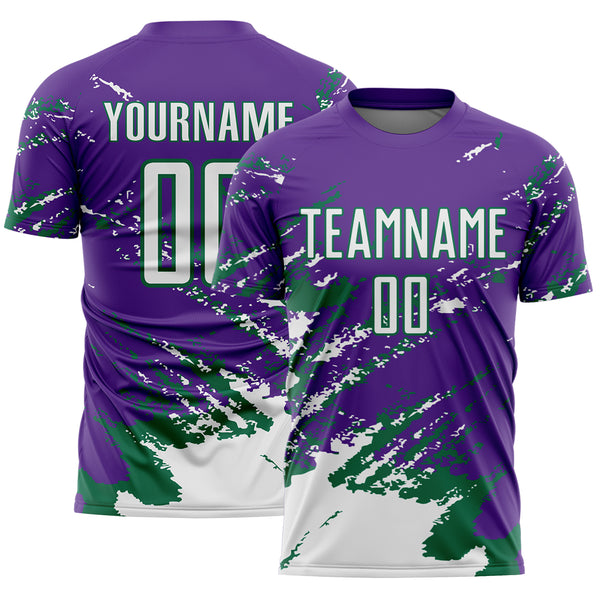
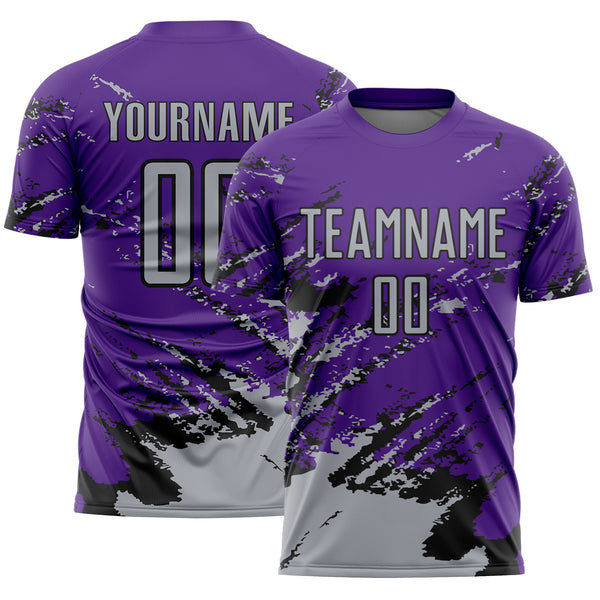
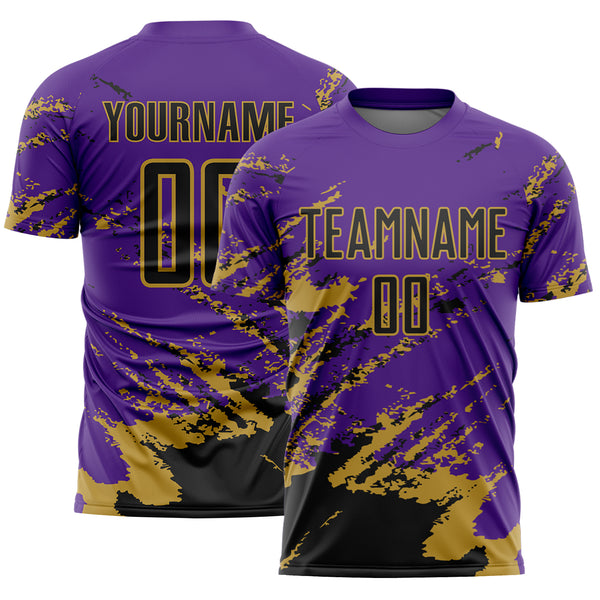
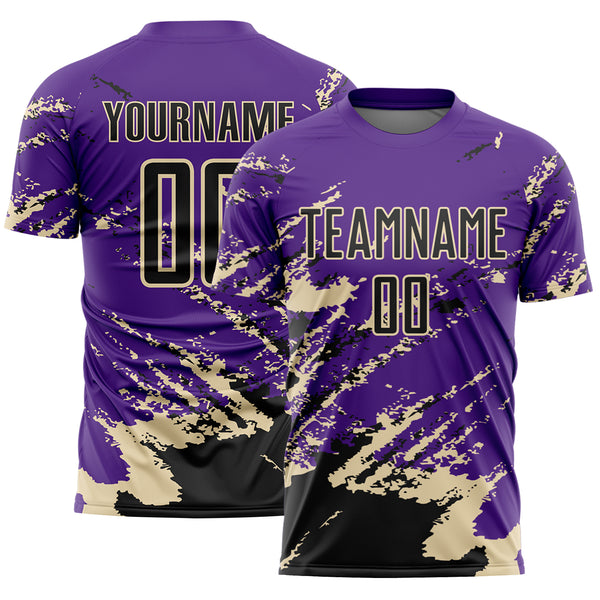
By balancing feel, durability, and eco-conscious design, you can select a ball that performs at its best on the pitch. At Fansidea, you can bring your game to life — explore our wide range of custom soccer uniforms and gear, from fully customizable jerseys to matching socks, and create a personalized look that feels as good as it performs on the pitch.





 Call
Call

