Hunting requires strategy and patience, not just good gear. One piece of equipment that often causes debate is camouflage clothing. Many hunters swear by camo, believing it is essential for staying hidden from wary animals. But is it truly the key to success in the field, or is it just one small factor among many?
In this blog, we will look at the role of hunting camo. We will discuss when it can really help. We will also point out times when other skills and tools are more important. Whether you’re a seasoned hunter or just getting started, understanding how camo fits into your overall hunting strategy can help you make smarter choices and improve your results.
By the end, you’ll have a clearer picture of whether camo is a must-have or simply a helpful addition to your hunting toolkit.
The Purpose of Hunting Camo
Hunting camouflage helps you blend into your surroundings, making it harder for animals to spot you. Different patterns are designed for specific environments: woodland camo is ideal for forests, brush patterns work best in open fields, and snow camo keeps hunters concealed in winter conditions.
Beyond visual concealment, camo can also have a psychological effect on hunters. Wearing the right pattern can boost confidence and focus, making you feel better prepared and more in tune with your environment. While camo doesn’t guarantee a successful hunt, it serves as a strategic tool that can complement your skill and knowledge of the field.
Factors That Affect Hunting Success Beyond Camo
While camouflage can help you stay hidden, it’s far from the only factor that determines success in the field. Understanding animal behavior, including feeding patterns, movement habits, and seasonal tendencies, often plays a bigger role than the clothes you wear.
Other critical factors include knowledge of the terrain, the timing of your hunt, and your ability to move quietly and remain patient. Even the best camo won’t help if you’re in the wrong location or disturb your surroundings. Equipment quality—such as rifles, bows, optics, and scent control gear—also contributes significantly to your overall effectiveness.
Ultimately, hunting success comes from a combination of strategy, preparation, skill, and yes, sometimes the right gear. Camouflage enhances your efforts but can’t replace experience or technique.
When Camo Makes a Difference
Camouflage becomes most effective in situations where animals rely heavily on their vision to detect movement and shapes. In open fields or areas with limited natural cover, the right camo pattern can help you blend into the surroundings and avoid being spotted from a distance.
Specific hunting scenarios also benefit more from camo. Deer hunting often calls for stealth and the ability to stay hidden in dense forests or along forest edges. Duck hunting requires blending into wetlands, where even the slightest movement can give you away. For boar and bear hunters, choosing camo that matches the terrain provides an advantage, as these animals are highly alert to unusual shapes and colors in their environment.
In short, camo is most valuable when visibility is high, animals are alert, and remaining undetected directly impacts your chances of success.
When Camo Might Not Matter
While camo can be helpful, there are many situations where it plays a minimal role in hunting success. For example, hunting from blinds or tree stands often reduces the need for full-body camouflage, since your position is already concealed from the animal’s line of sight.
Night hunting or low-light conditions also lessen the importance of visual concealment, as animals rely less on sight and more on smell and hearing. In heavily wooded areas or dense brush, natural cover can provide sufficient concealment, making the pattern on your clothing less critical.
Additionally, focusing on sound reduction, scent control, and careful movement can often outweigh the benefits of camo. In these cases, skill and strategy are far more important than matching your shirt to the surroundings.
Tips for Maximizing Camo Effectiveness
Even the best camo is only as effective as how you use it in the field. Start by positioning yourself thoughtfully—use natural cover such as trees, bushes, and terrain features to break up your outline. Move slowly and deliberately, minimizing sudden movements that could alert nearby animals.
Pay attention to lighting and shadows; wearing a pattern that matches the season and foliage can make a huge difference. Pair camo clothing with accessories like gloves, hats, and face masks that further reduce visible contrast.
Finally, combine camo with other hunting strategies. Scent control, quiet movement, and understanding animal behavior amplify the advantages of camouflage, giving you a higher chance of a successful hunt.
Choosing the Right Camo Gear
Selecting the right camo gear can make a significant difference in your comfort and effectiveness in the field. From camo hunting shirts to camo hoodies and other camouflage clothing for hunting, choosing the right pattern helps you blend seamlessly into your surroundings.
Whether you’re in dense forests, snowy landscapes, or arid terrain, patterns like woodland camo, snow camo, and desert camo cover a variety of hunting environments. High-quality fabrics provide breathability, warmth, and durability, keeping you prepared for any scenario.
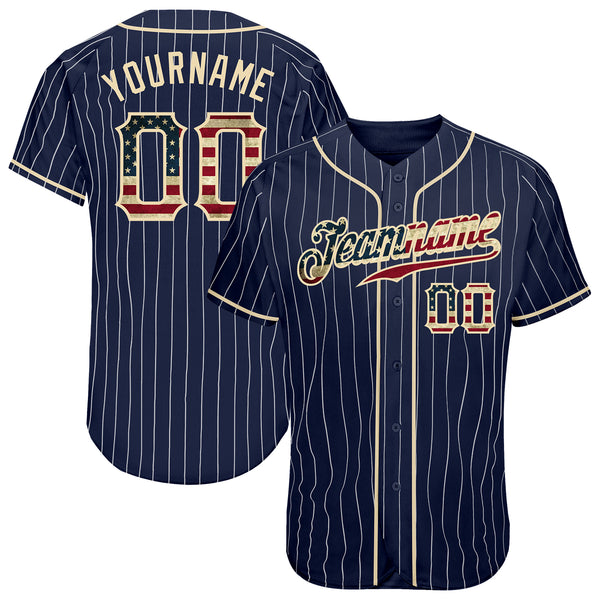
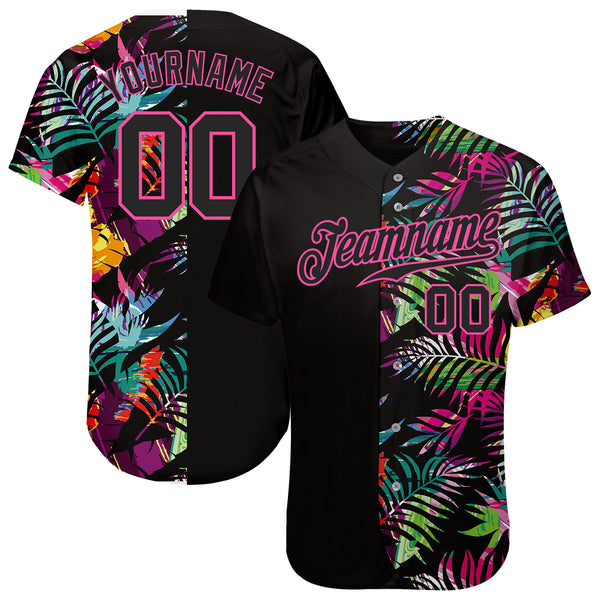
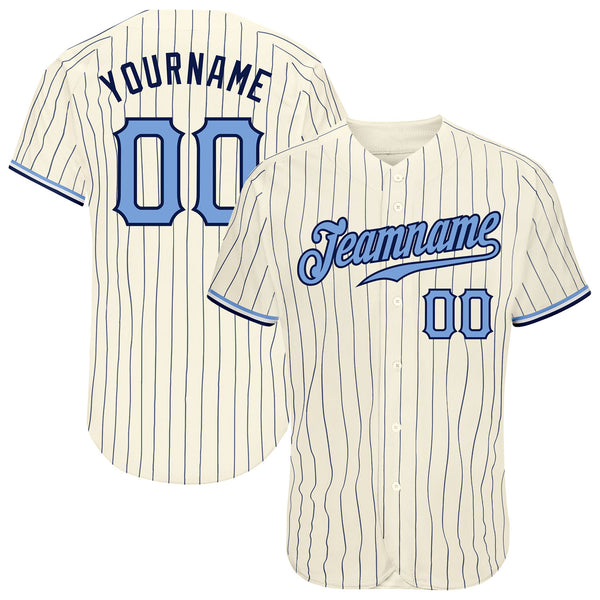
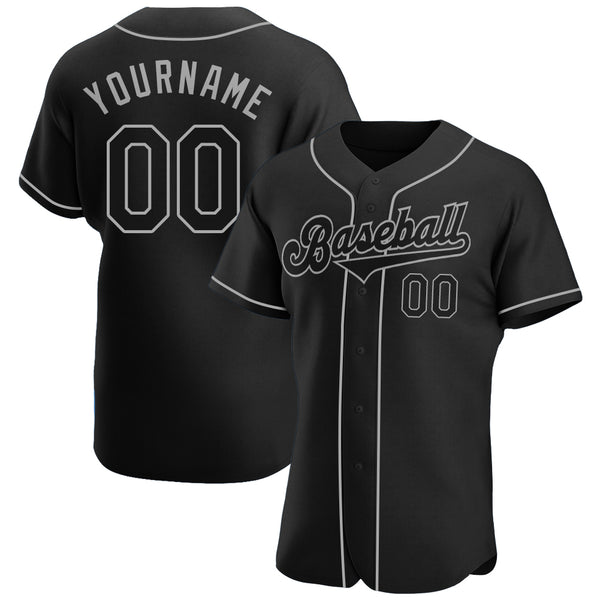
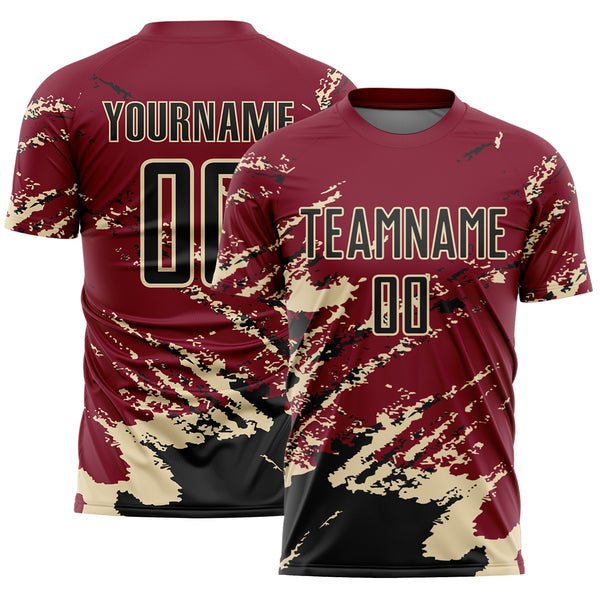
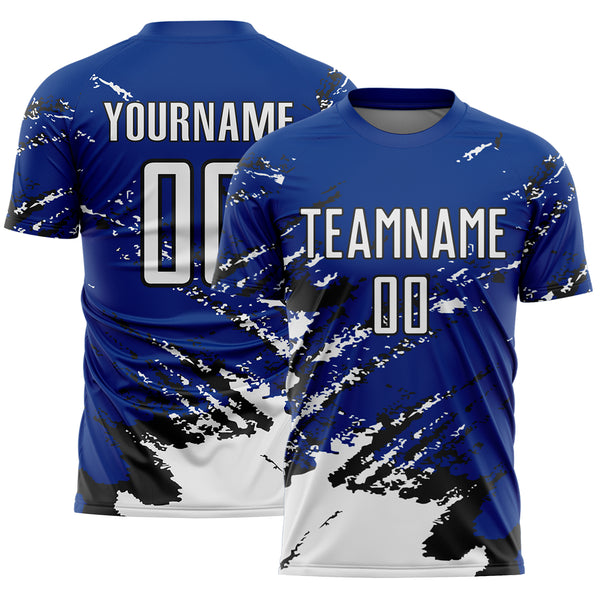
Fansidea offers customizable options that let you add your name, number, or logo, combining functionality with a personal touch so you stay comfortable, concealed, and ready for success on every hunt.









 Call
Call


