Football has always been a sport built on protection. Helmets, shoulder pads, and padded pants are non-negotiable pieces of equipment at every level of the game. Knee pads, however, have become a more flexible choice for many players. While they were once standard across nearly every position, today it’s common to see athletes—especially skill players—step onto the field without traditional knee padding.
So why has this shift happened? The answer lies in performance priorities, equipment innovation, and the evolving demands of modern football.
1. Mobility and On-Field Performance
Speed and agility are critical in today’s game. Every route, cut, and change of direction can determine the outcome of a play. For some players, especially those who rely on quick acceleration, traditional knee pads can feel restrictive.
Bulky padding around the knees may limit natural movement, making it harder to sprint at full speed or transition smoothly during sharp cuts. Positions like wide receivers, cornerbacks, and running backs often prioritize freedom of motion, leading many of them to reduce or eliminate knee padding in favor of maximum performance.
2. Comfort During Games and Practices
Comfort plays a larger role in equipment decisions than many fans realize. Football games are long, physically demanding, and often played in extreme heat or cold. Ill-fitting or outdated knee pads can shift during play, bunch behind the knee, or create pressure points that distract players.
Without knee pads, some athletes feel lighter and more comfortable throughout four quarters, allowing them to stay focused on execution rather than adjusting their gear between snaps.
3. Position-Based Equipment Choices
Not every football position carries the same physical demands. Skill positions often involve open-field movement and fewer direct knee-to-knee collisions, while linemen engage in constant close-contact battles at the line of scrimmage.
Because of this, linemen are more likely to continue wearing additional leg protection, including thigh and knee padding. Meanwhile, players in speed-focused roles may decide that the trade-off between protection and mobility favors less padding.
4. Modern Alternatives to Traditional Knee Pads
Equipment design has changed significantly over the years. Older knee pads were thick, stiff, and prone to slipping. Today, many players turn to compression pants or sleeves that feature lightweight, integrated padding.
Equipment design has changed significantly over the years. Older knee pads were thick, stiff, and prone to slipping. Today, many players turn to compression pants or sleeves that feature lightweight, integrated padding. For a deeper look at protective gear, including pads, helmets, and other essentials, check out our guide to football gear weight.
5. Injury Risk and Protection Trade-Offs
One reason players choose not to wear knee pads is their limited role in preventing major knee injuries. Serious issues like ACL or MCL tears are often caused by twisting, planting, or awkward landings rather than direct contact to the knee.
Because knee pads mainly protect against bruises, cuts, and surface impacts, some players decide the benefits don’t outweigh the potential loss in speed or comfort. This risk-reward calculation is a personal decision that varies by position, experience level, and playing style.
6. Confidence, Routine, and Personal Preference
Football is as much mental as it is physical. Players often perform best when they feel confident in their equipment setup. For some, removing knee pads creates a sense of freedom and control that boosts confidence on the field.
Routine also plays a role. Athletes tend to stick with what feels familiar, especially if it has worked well for them in the past. Coaches may guide players toward safer choices, but personal comfort often influences the final decision.
Equipment Rules and League Regulations
Knee pad requirements vary depending on the level of play. High school and many college leagues still mandate knee padding as part of their safety regulations, which is why younger players are more likely to wear them consistently.
At higher levels, enforcement may be less strict, allowing athletes more freedom in how they customize their gear. These rule differences have contributed to the visible decline of traditional knee pads in elite football.
Should Football Players Wear Knee Pads?
There is no universal answer. Wearing knee pads can reduce minor injuries and provide added confidence for some players. For others, mobility, comfort, and performance take priority.
The best approach is an individual one—considering position, league rules, body type, and access to modern protective gear. Proper fit and smart equipment choices matter far more than following a single standard.
Gear Up in Style for Every Game Day
Football is more than a game—it’s a way to express passion, team spirit, and personal style. Whether you’re cheering from the stands, playing a casual pickup game, or enjoying game day with friends, the right gear helps you feel confident and connected to the action.
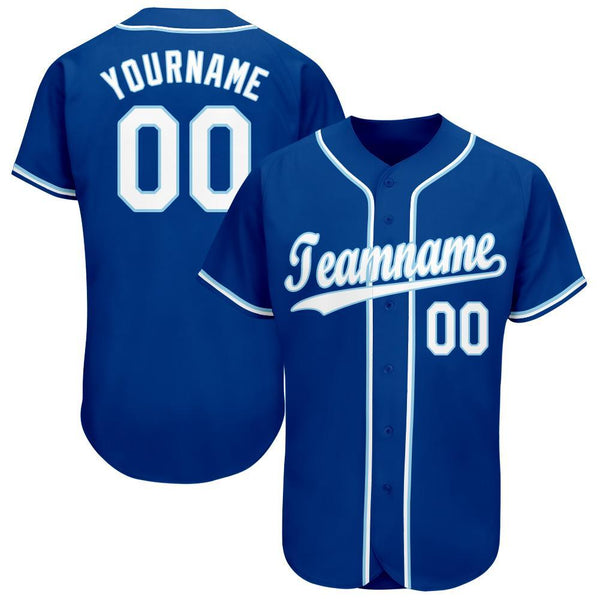
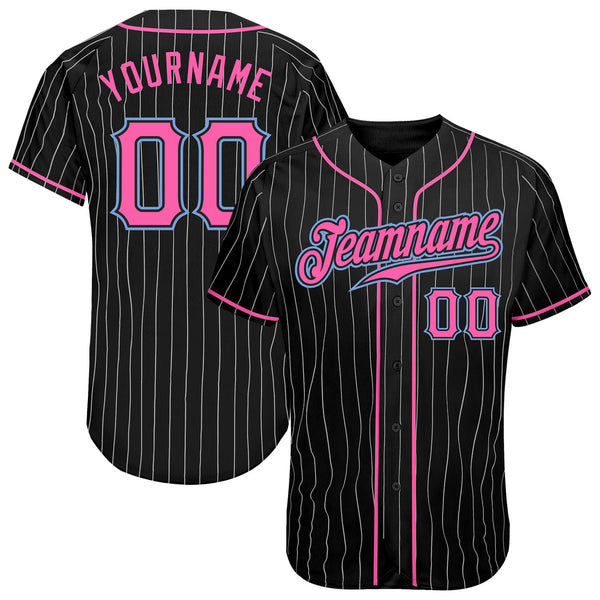
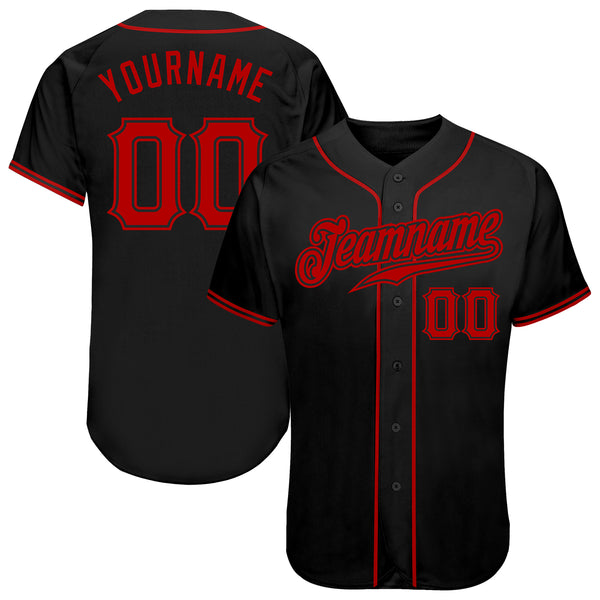
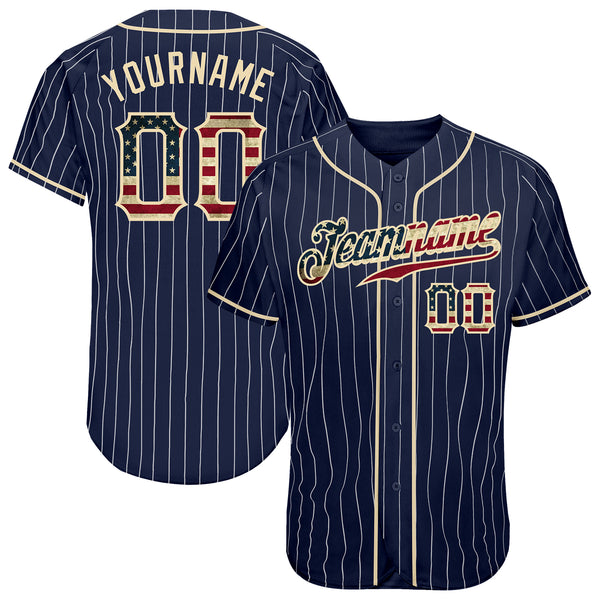
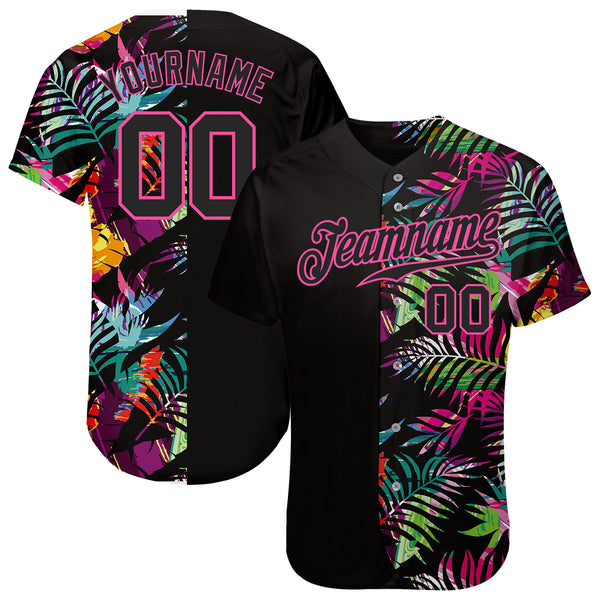
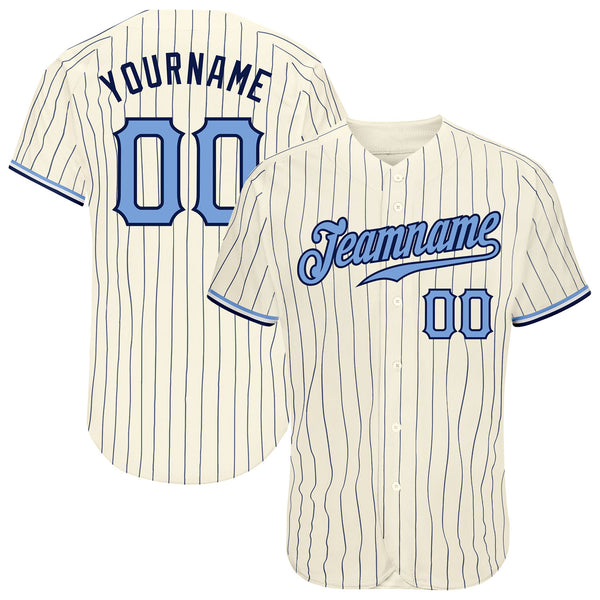
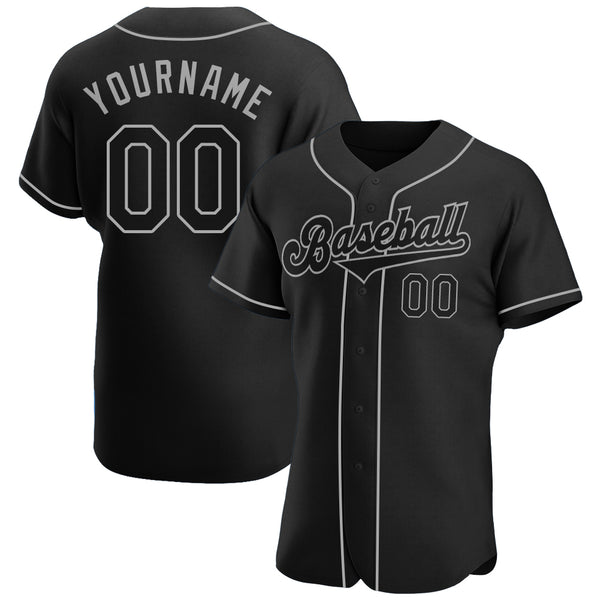
Custom football jerseys and long sleeve football shirts let you showcase your personality and team pride while staying comfortable and stylish. Perfect for tailgates, fan gatherings, or casual games, these pieces make it easy to stand out and celebrate the game your way.
Bring your ideas to life and design your own gear at Fansidea to express your unique flair—on or off the field.
















 Call
Call


