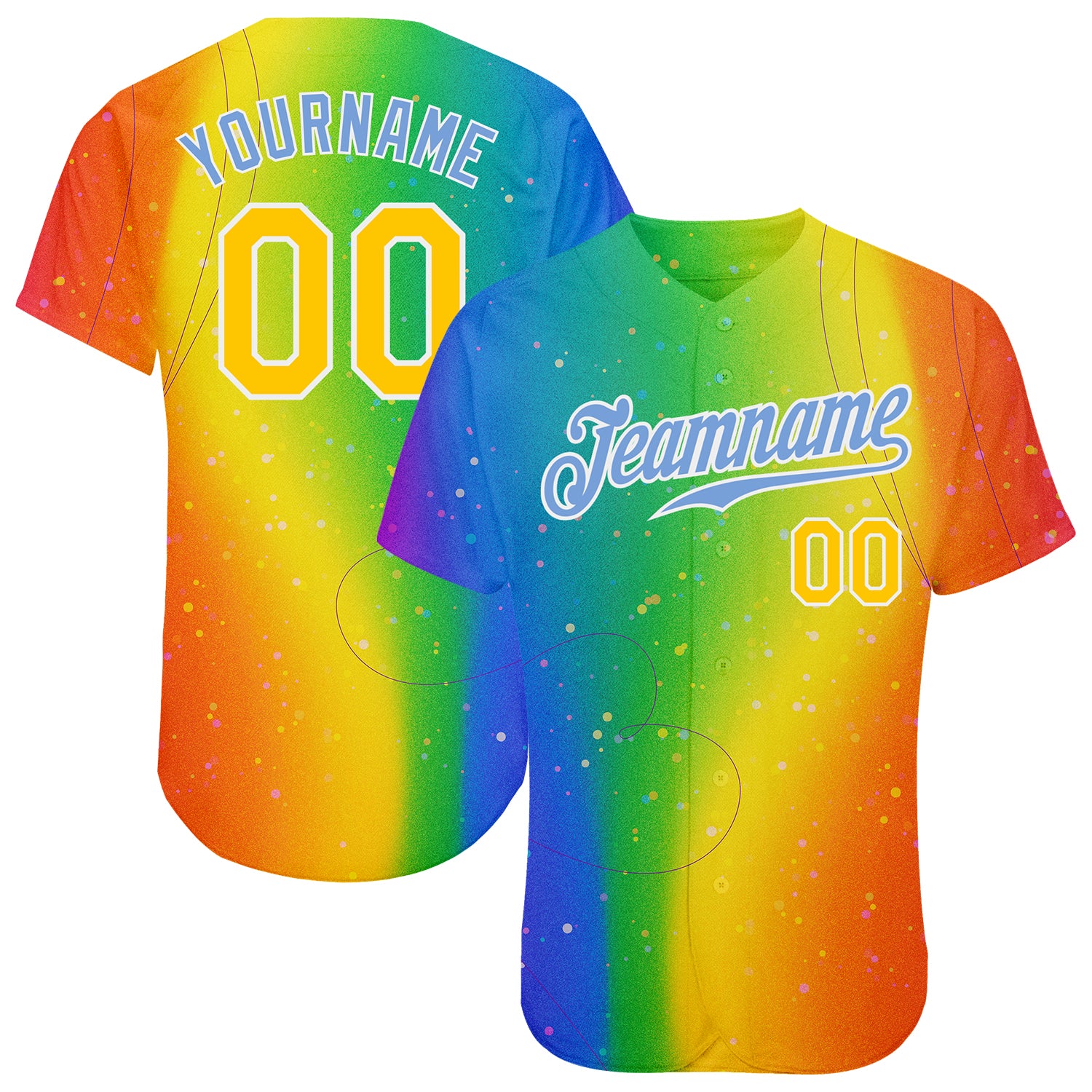
LGBTQ culture is rich with history, creativity, and resilience—far beyond the rainbow flag alone. From bold self-expression to generations of activism, the community continues to shape global culture in powerful ways.
At Fansidea, we believe in celebrating individuality and showing respect through representation, learning, and inclusion. This blog looks at the meaning of LGBTQ symbols. It discusses important milestones that helped shape the movement. It also shows how we can all help create a more supportive world.
The rainbow flag is one of the most recognizable symbols of the LGBTQ community—but its meaning runs much deeper than its colorful design.
First created in 1978 by artist and activist Gilbert Baker, the original flag featured eight colors, each symbolizing a different aspect of life: hot pink for sex, red for life, orange for healing, yellow for sunlight, green for nature, turquoise for magic/art, indigo for serenity, and violet for spirit. Over time, the flag evolved for practical and cultural reasons, eventually becoming the six-color version we know today.
Beyond the rainbow, a variety of other pride flags have emerged to represent the full spectrum of LGBTQ identities. The transgender flag, with light blue, pink, and white stripes, honors those whose gender identity differs from the one assigned at birth. The bisexual flag combines pink, purple, and blue to represent attraction to more than one gender. Other flags, like the nonbinary, pansexual, and asexual flags, provide visibility and affirmation to communities often overlooked in mainstream representation.
These symbols serve as more than decorations—they are powerful statements of identity, pride, and belonging. For many, flying a flag or wearing its colors is an act of self-affirmation and solidarity. They help create a sense of community while challenging the erasure and marginalization that LGBTQ individuals have historically faced.
In celebrating these symbols, we’re not just embracing color—we’re honoring the stories, struggles, and diversity that each one carries.
A Legacy of Courage: Key Moments in LGBTQ History
LGBTQ history is filled with powerful moments of resistance, resilience, and progress. One of the most defining events was the Stonewall Riots in 1969, when members of the LGBTQ community—many of them trans women and people of color—stood up against police harassment at the Stonewall Inn in New York City. This uprising marked the beginning of the modern LGBTQ rights movement and inspired annual Pride marches around the world.
In the following decades, the community faced new challenges. During the HIV/AIDS crisis in the 1980s and early 1990s, LGBTQ people faced a deadly virus and discrimination. In response, activists organized to provide care, raise awareness, and demand medical and political action. Groups like ACT UP and countless local organizers transformed grief into a powerful call for justice and visibility.
Progress continued in the 2000s and beyond. In many countries, including the U.S., lawmakers legalized same-sex marriage, and activists gained momentum in their efforts to expand transgender rights. While these victories are important, they didn’t happen overnight—they were made possible by decades of advocacy, protest, and community support.
Cultural Expression and Identity in LGBTQ Communities
Creative expression has always been a powerful part of LGBTQ identity. Through art, performance, and fashion, queer communities have found ways to celebrate who they are, challenge norms, and build meaningful connections.
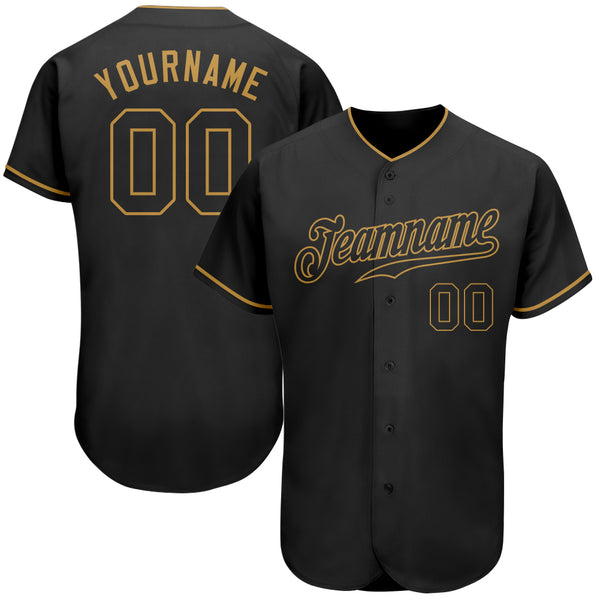
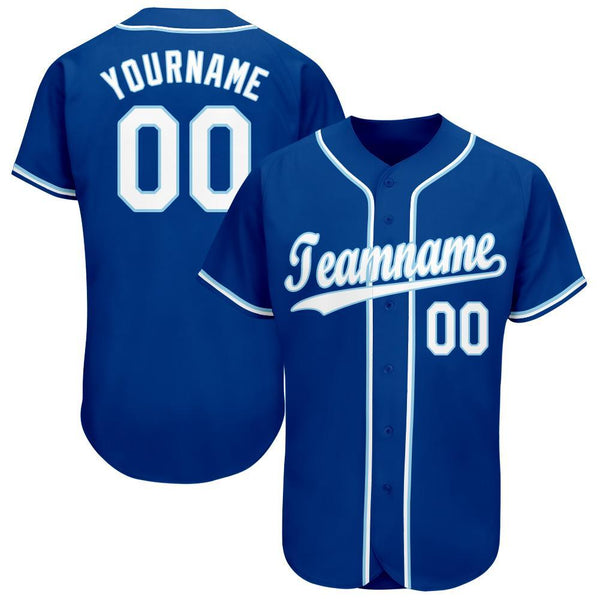
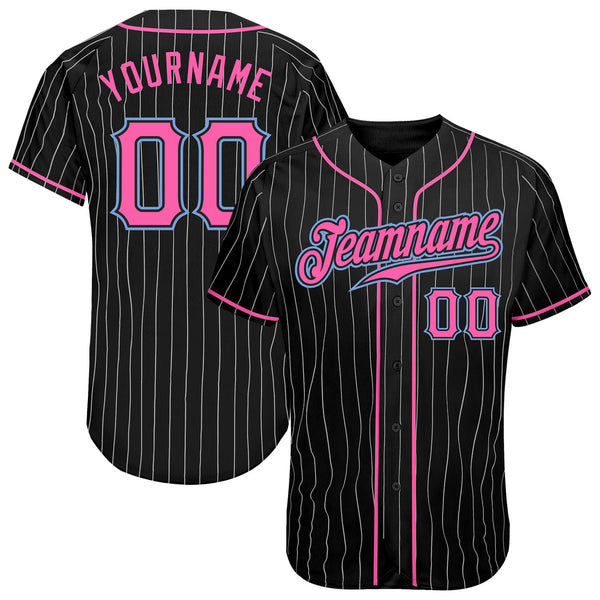
Fashion, especially, plays a central role. From bold Pride shirts to rainbow clothing that embraces visibility, what people wear often becomes a personal statement of identity and solidarity. Custom LGBTQ apparel allows individuals to go a step further—designing looks that reflect their own story, style, and sense of pride.
Whether it’s through drag performances, the ballroom scene, or everyday streetwear, these expressions foster belonging and spark conversation. They also keep queer history and culture alive—reminding others of both the struggles and the joy that shape LGBTQ lives.
In every color, word, and design, cultural expression continues to empower the LGBTQ community and those who stand with it.
The Role of Allyship: Supporting the LGBTQ Community Year-Round
Supporting the LGBTQ community goes beyond celebrating Pride Month—it’s about showing up consistently, listening actively, and advocating for inclusion every day. True allyship means standing alongside LGBTQ individuals in both moments of celebration and times of struggle.
Allyship starts with education. Learning about LGBTQ history, identities, and the challenges the community faces helps break down harmful assumptions and builds empathy. Listening to LGBTQ voices—especially those from marginalized groups within the community, like trans people and people of color—is key to understanding how to be genuinely supportive.
It also means speaking up. Whether it’s challenging discriminatory language, promoting inclusive policies, or supporting LGBTQ creators and businesses, everyday actions can have a lasting impact. Allies can use their privilege to amplify queer voices and push for environments where everyone feels safe and respected.
For brands, schools, and organizations, allyship involves more than rainbow logos. It means implementing inclusive practices, offering support year-round, and creating spaces that value LGBTQ representation beyond surface-level gestures.
Being an ally is an ongoing commitment. It’s about showing respect, advocating for equality, and making sure LGBTQ people are seen, heard, and celebrated—not just in June, but always.







 Call
Call