No matter your position on the court, getting better at basketball starts with mastering the basics. Every player, from guards to forwards, benefits from a two-part approach. This includes building strong movement skills and using them in smart training.
So, how can you improve your basketball performance effectively? It starts with building basic physical skills, such as strength, balance, and agility. Then, it includes focused workouts and good recovery routines.
In this blog, we’ll explore essential tips to help you move better, train smarter, and play at a higher level.
Movement Fundamentals for Basketball Players
To improve on the court, you need a strong physical foundation. These five movement fundamentals—flexibility, strength, posture, balance, and agility—are key to building better athletic performance, no matter your position.
Flexibility
Flexibility helps your joints move freely and reduces your risk of injury. For basketball players, flexible ankle muscles are especially important due to the high rate of ankle sprains in the sport.
Strength
Strength training, especially for the legs, boosts your jumping ability and helps you absorb impact when landing. Strong muscles also support quicker, more explosive movements on the court.
Posture
Good posture protects your spine and joints, helping you maintain proper body alignment during games. Poor posture can lead to inefficient movement and a higher risk of injury.
Balance
Balance, along with core stability, allows you to stay in control during tough plays—like boxing out or making contact under the rim. It’s crucial for keeping your body stable in high-pressure situations.
Agility
Agility is your ability to quickly change direction or speed. Since basketball is full of fast cuts and sudden transitions, improving your agility makes you more responsive and efficient on the court.
Training Advice to Boost On-Court Performance
Once you've built a solid foundation of movement fundamentals, it's time to apply that to your training routine. Effective basketball performance isn’t just about practicing shots—it's about enhancing strength, speed, agility, and coordination. Here are some key training strategies to help you get better:
Strength Training
Focus on building total-body strength, with a particular emphasis on your legs. Squats, lunges, and calf raises help improve your vertical jump and lower-body power, making you more effective at finishing plays and rebounding.
Plyometrics
Plyometric exercises, like box jumps and bounding, train your muscles to generate explosive power. This can improve your quickness and jump height—two vital aspects of basketball performance.
Speed & Agility Drills
Running sprints, shuttle drills, and cone drills are perfect for enhancing speed and quickness. These exercises improve your ability to change direction rapidly and maintain a high level of movement efficiency, which is critical for defense and offensive maneuvers.
Reaction Time & Coordination
Basketball requires quick decision-making and fast reflexes. Reaction drills, such as using a reaction ball or practicing with a partner, help improve hand-eye coordination and split-second decision-making.
Form & Technique
It’s important to emphasize proper form in all exercises. Doing the right exercises incorrectly can increase your risk of injury and limit your gains. Work with a coach or use video analysis to fine-tune your technique and ensure you’re getting the most out of each workout.
Train in Gear That Matches Your Game
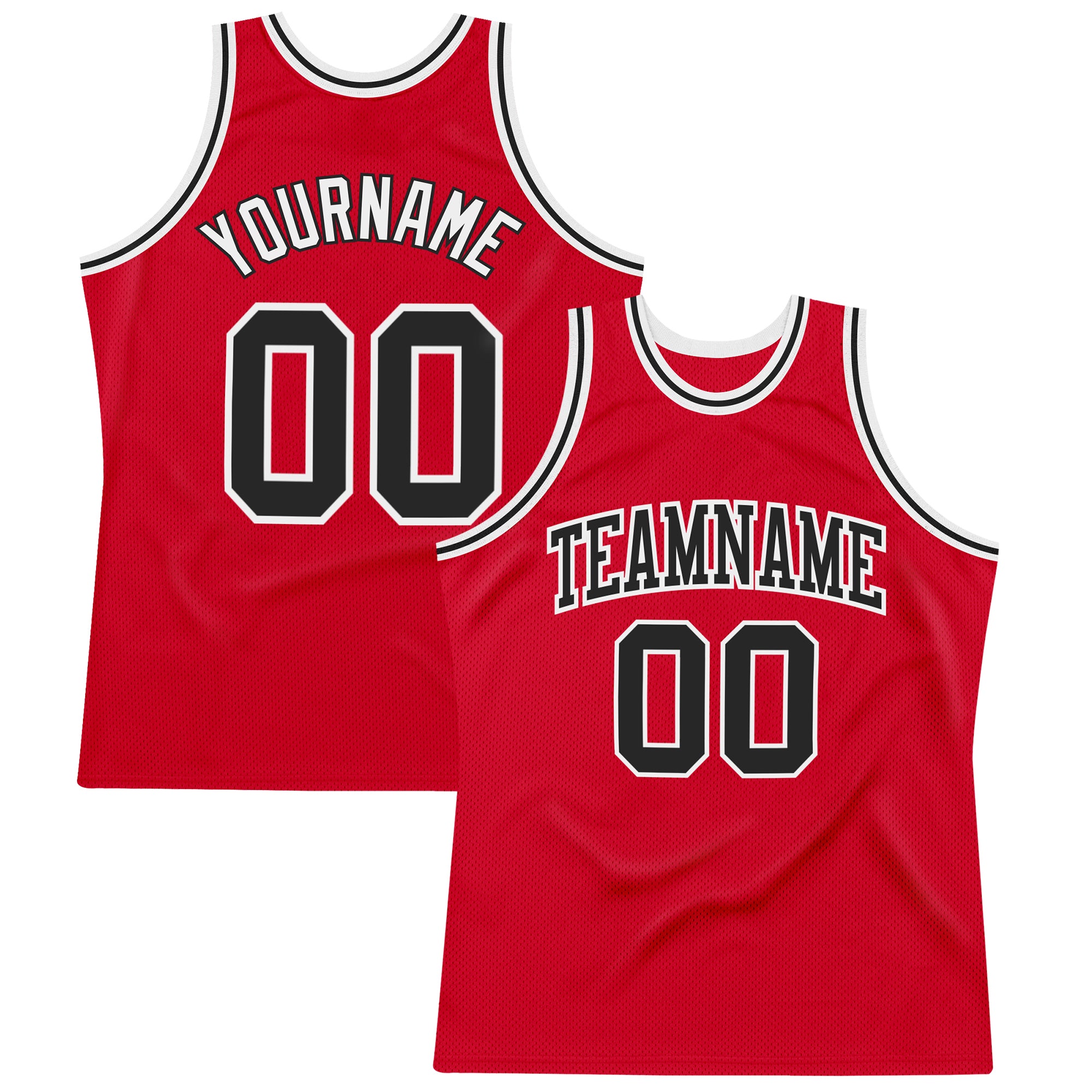
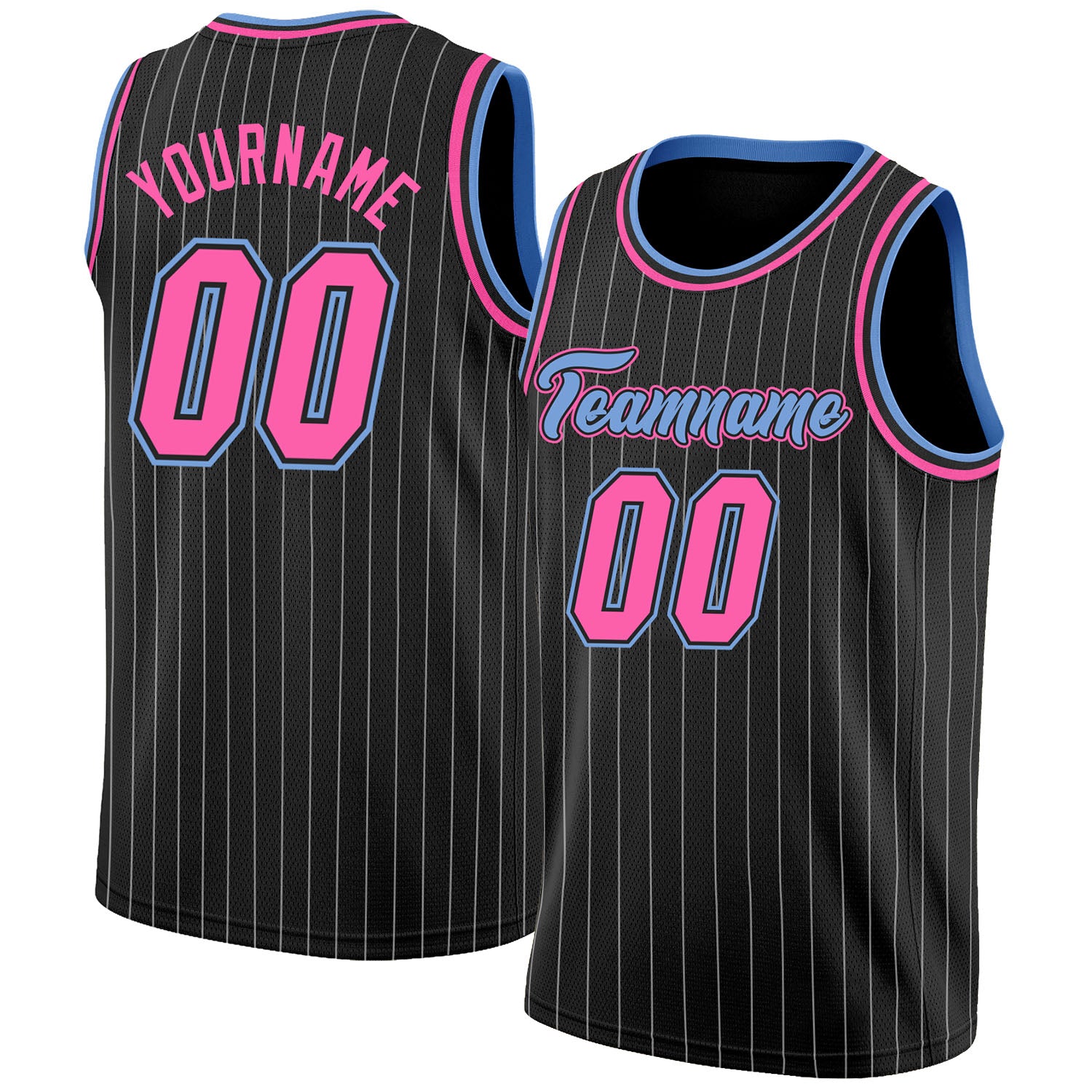
Performance isn’t just about how you move—it’s also about what you wear. We design our custom basketball jerseys and training gear for serious athletes who want both function and style. You can customize your gear with your name, number, and logo. This way, you can have a look that is uniquely yours, whether you are running drills or getting ready for a scrimmage.
The Role of Rest and Recovery in Player Development
Improving at basketball isn’t only about how hard you train—it’s also about how well you recover. Without proper rest, your body doesn’t have time to rebuild muscle, restore energy, or mentally reset. Over time, this can lead to burnout or injury.
Think of recovery as off-court training that directly impacts your on-court performance. Prioritizing rest helps you stay consistent, reduce fatigue, and show up ready to play at your best.
Here are a few simple but powerful ways to support your recovery:
- Get at least 8 hours of sleep each night. Good, steady sleep helps your muscles recover, improves reaction time, and boosts mental focus.
- Hydrate properly – Water (not sugary drinks) helps your muscles function and recover efficiently.
- Eat a nutritious diet – Fuel your body with balanced meals that include protein, healthy fats, and complex carbs.
- Use active recovery methods – Foam rolling, stretching, and mobility work help reduce soreness and maintain flexibility.
- Try relaxation techniques – Guided meditation, deep breathing, or even short naps can support mental clarity and reduce stress.
- Consider sports massage – Occasional professional bodywork can relieve tension and aid muscle recovery, especially during intense training phases.
Smart recovery isn't a sign of weakness—it’s a strategy that separates good athletes from great ones.
Getting better at basketball is about more than showing up—it's about training with purpose, building strong movement fundamentals, and committing to recovery. Focus on key areas like flexibility, strength, posture, balance, and agility to form a solid athletic base. Then, elevate your game with smart workouts and consistent habits that translate into real on-court results.
At Fansidea, we’re here to support your journey every step of the way. Our custom basketball jerseys and performance gear are built for athletes who take their game seriously. Personalize your gear with your name, number, and logo—and train in apparel that works as hard as you do.
Start strong. Train smart. Perform in style—with Fansidea.






















 Call
Call